
Where should a porta potty go on site?
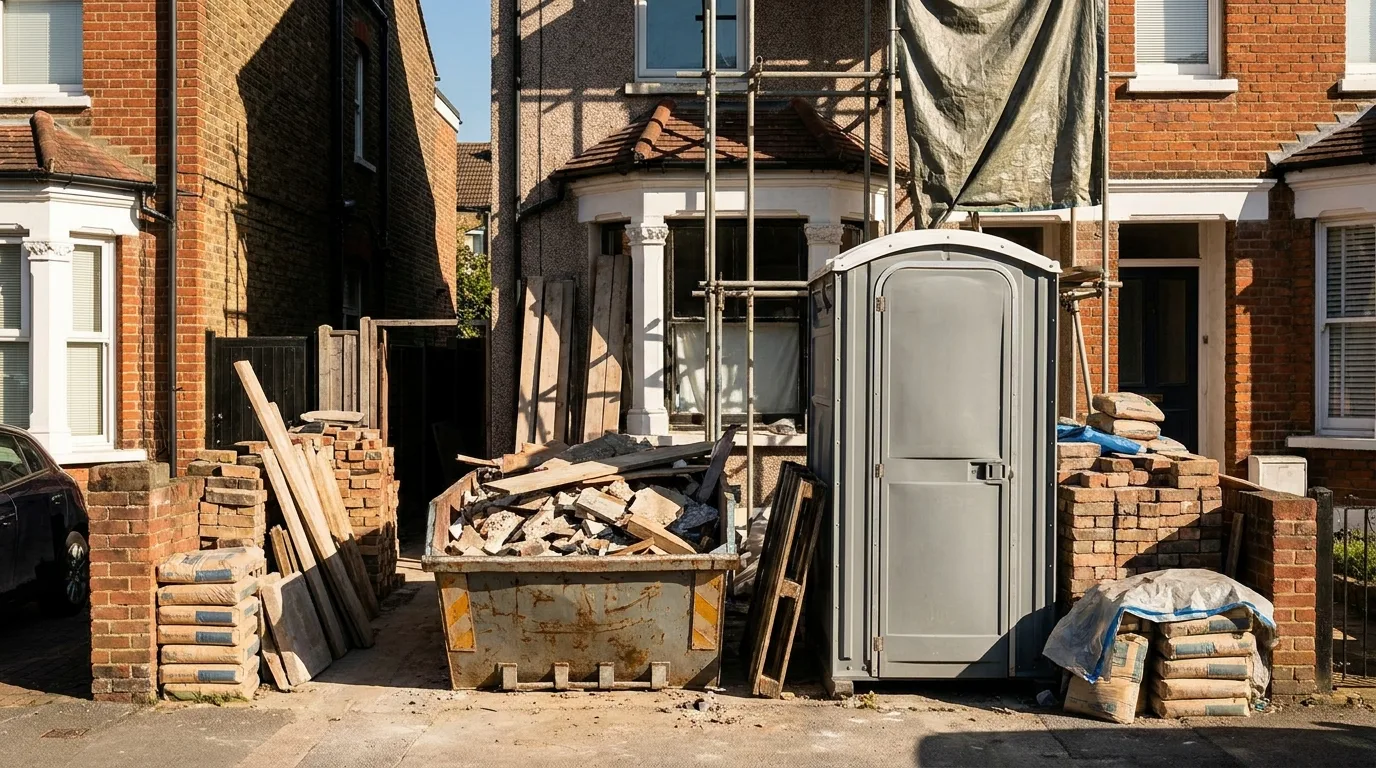
Pick flat ground first. ADA Standards section 302.1 calls for surfaces that are stable, firm and slip resistant, and that rule matters just as much for a standard unit as for an accessible one. Keep the unit within reach of a service truck, since our drivers need a clear approach to pump and restock. Avoid low spots in Springfield where water collects after storms; a tipped or flooded unit is a call-back nobody wants. On construction sites, placement also has to respect the toilet counts under OSHA portable toilet requirements: OSHA 1926.51(c)(1) sets 1 toilet for 20 workers or fewer, scaling up as crew size grows. If you are placing near a dumpster or a storage container rental, give each its own footprint. A roll-off dumpster rental needs about 60 feet of straight clearance behind the truck for delivery and pickup, so plan that lane before the porta potty goes down next to it. Check our porta potty placement guide checklist style approach: measure twice, place once, and if you're weighing porta potty rental cost against a porta potty rental per day rate, placement affects both.
Do I need a permit to place a porta potty in the right of way?
Placement on private property usually needs no city sign-off, but anything touching a public sidewalk, curb lane or street in Springfield needs confirming with the city before drop-off. We have not verified a specific right-of-way rule for portable sanitation here, so treat it as a call to the city, not a guess. The same caution applies to dumpster placement permit cost questions: a dumpster permit requirements page can walk through what to ask, but the fee itself is not something we publish without checking the current schedule. If your job site sits close to a curb cut or bus stop, plan for that conversation early, and review porta potty permit requirements alongside any temporary fence rental or temporary fence cost plans for the same perimeter. For ADA units, ADA Standards section 213.2 requires that where single-user units are clustered, at least 5 percent, and never fewer than one, be accessible, which affects how many units and how much frontage you are requesting.
How much space and clearance does each unit type need?
| unit type | footprint | clearance note |
|---|---|---|
| standard porta potty | about 44 by 48 inches | plus room for the service truck's hose reach |
| ADA accessible unit | wider door, turning space inside | ADA Standards section 304.3.1 requires a 60 inch turning circle |
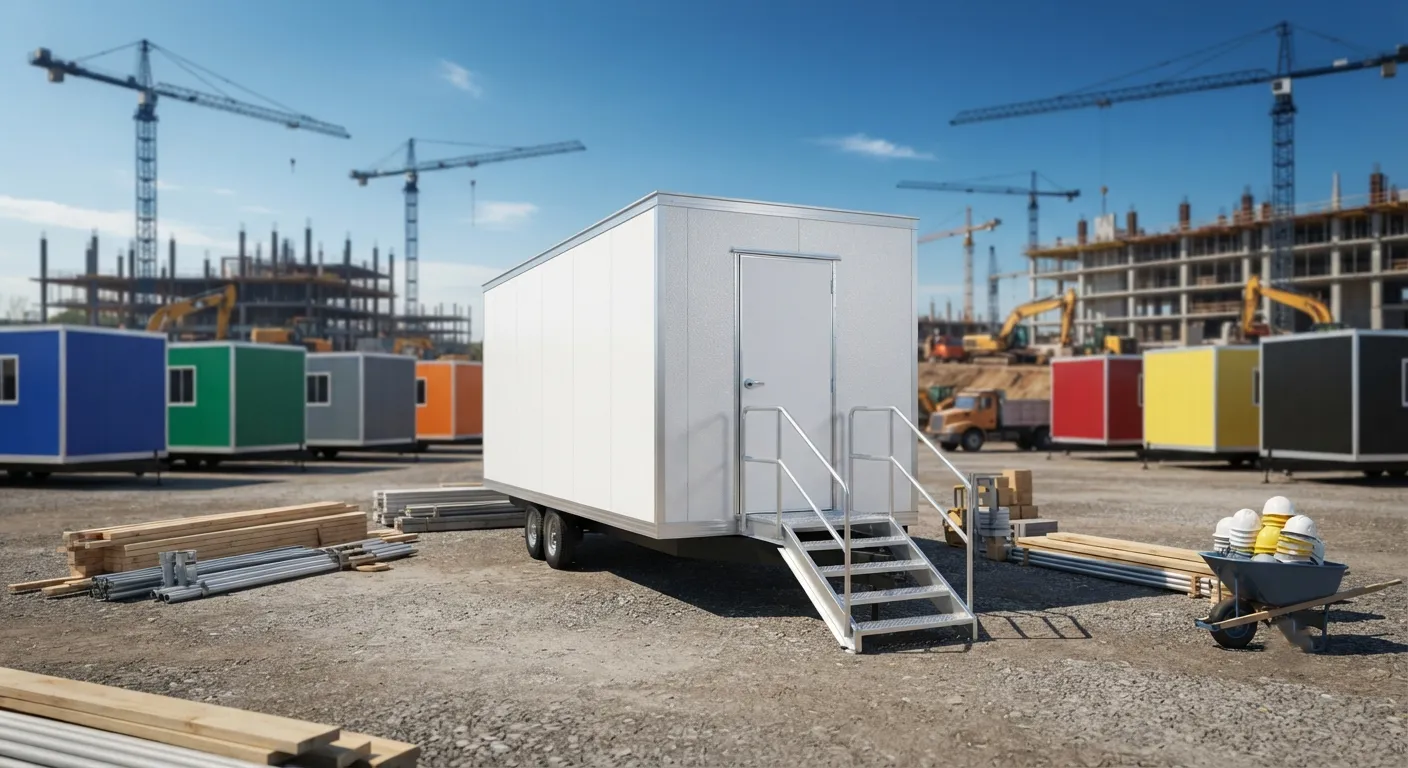
| restroom trailer | varies by stall count | needs a level pad and truck access for hookup |
| roll-off dumpster | set by yardage | about 60 feet straight clearance behind the truck |
A standard porta potty rental stands about 92 inches tall and holds a 60 to 70 gallon tank, so overhead clearance under branches or awnings matters too. For accessible placement, ADA Standards section 404.2.3 sets a 32 inch minimum clear door opening, and section 403.5.1 requires a 36 inch clear route to reach it; both shape how close you can set a unit to a fence line or dumpster. If you're comparing a deluxe flushable porta potty against a standard unit, note the deluxe model's footprint is similar but its interior fixtures, sometimes including sink parts like those found on an Ozark River portable sink replacement parts list, need a level base to drain properly. A mobile office trailer rental placed nearby should keep its own door swing clear too; replacement doors on older office trailers can swing wider than expected, so measure before final placement, and if the crew needs an ADA accessible porta potty near the trailer entrance, factor that into the same footprint.
Where should units go for large events or long job sites?
Spread units out rather than clustering them all at one entrance. For a festival or fair, place restrooms near food areas but upwind, and keep at least one accessible unit within the main path of travel per ADA Standards section 213.2. A festival restroom rental plan often mirrors what we do for a county fair restrooms layout: multiple smaller clusters instead of one bank of units. On multi-week construction jobs, re-evaluate placement as the site changes; a unit that made sense during excavation may block a paved driveway once framing starts, which is why construction site services planning should revisit layout at each phase. Springfield job sites often shift power and water hookups over time too, so coordinate porta potty spots with any temporary power pole or handwashing station rental placement so trucks aren't boxed in. If your event runs near a residential septic system, know that septic pumping intervals matter for capacity planning; a typical 1,000 gallon residential tank is pumped every 3 to 5 years, and a septic pumping service applies the same principle here: match unit count to expected load, not just headcount.
See event restroom rental for how these placement rules apply to weddings, concerts and other one-day gatherings.
How far in advance should I plan porta potty placement?
Book placement as soon as your site plan is final, ideally before grading or fencing goes in. Springfield job sites change fast, and a unit set too early can end up in the way. Confirm truck access and any right-of-way question with the city first, especially for a fast-turnaround emergency porta potty rental.
Can I move a porta potty once it's placed?
Yes, but call first. Springfield Porta Pros can relocate a unit, though moving it without draining the 60 to 70 gallon tank risks spills. A short move across firm ground is easy; crossing soft turf or gravel takes more care.
What ground surface works best under a unit?
Concrete, asphalt or compacted gravel work well. ADA Standards section 302.1 requires stable, firm, slip-resistant surfaces, and that standard is a good baseline even for non-accessible units. Avoid mud, slopes and low spots that pool water.
Do ADA units need extra clearance around them?
Yes. ADA Standards section 304.3.1 calls for a 60 inch turning circle, and section 403.5.1 sets a 36 inch clear route to the door. Plan roughly 5 feet of open space on the approach side beyond the unit's own footprint.
How many porta potties do I need for my crew size?
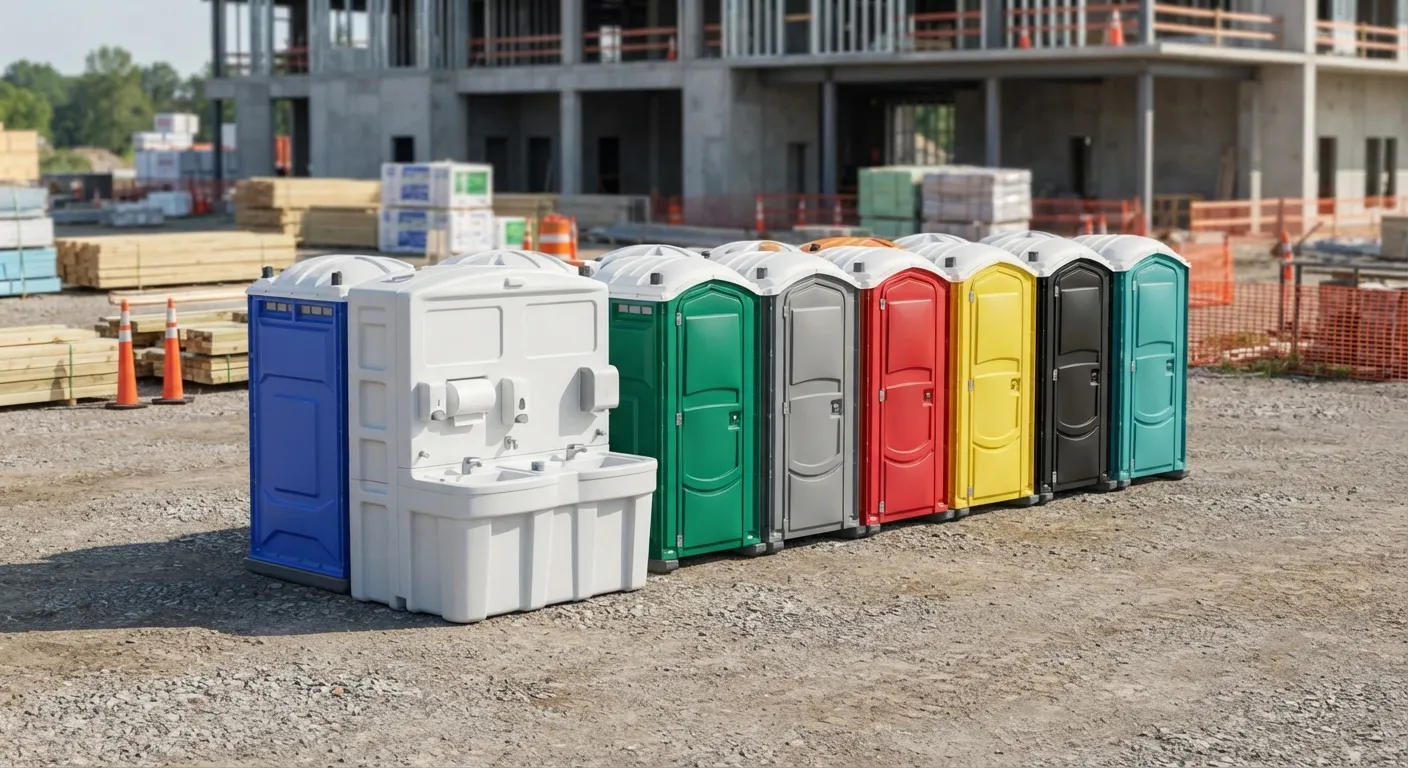
OSHA 1926.51(c)(1) sets the baseline: 1 toilet for 20 workers or fewer, then 1 toilet and 1 urinal per 40 workers above that. See how many porta potties do I need for the full breakdown by crew size and shift length, and check monthly porta potty rental if the job runs long.
Next step
Get a delivery date
Tell us the address, the dates and the headcount. We size the order and confirm the route.