
Do you need a permit for a porta potty in Springfield?
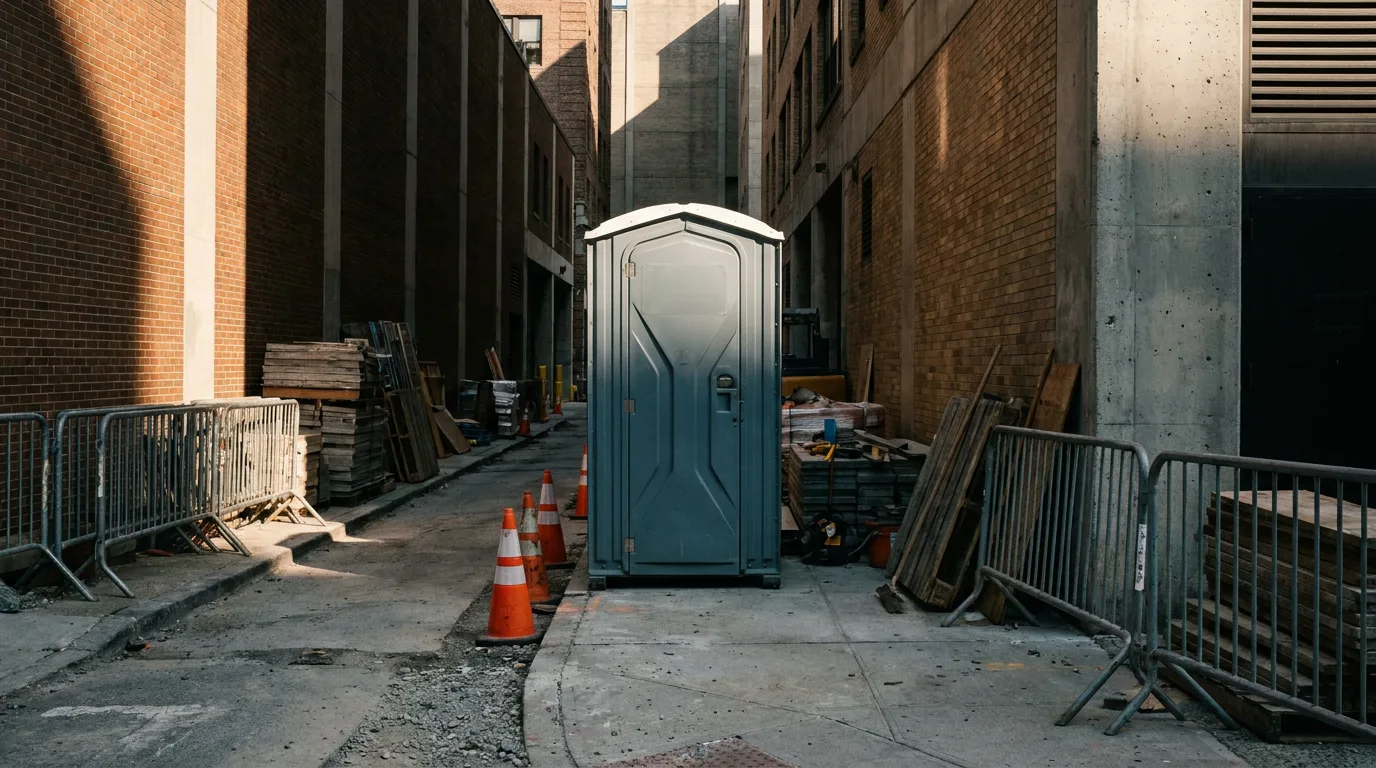
If the unit sits on your own lot, your contractor's lot, or a private event field, you generally don't need a permit. That covers most construction site services, backyard renovations, and wedding restroom rental setups. The question changes fast once a unit needs to sit on a street, sidewalk, or any strip of land the city owns. That placement needs a call to Springfield's permitting office before the truck ever leaves the yard, because rules vary by street and by season. Springfield Porta Pros asks about placement location on every quote request, whether it's a single standard porta potty rental for a home project or a bank of units for a festival, and the same delaware porta potty rental crews use out of state follow this same private-versus-public logic. This is also where dumpster rules run in parallel. A roll-off dumpster rental parked in a driveway is usually fine. One parked at the curb often is not, and that's the same right-of-way question, just for a bigger box. If you're planning a multi-week job, check our porta potty placement guide before you commit to a spot, and if you're used to porta potty rules and regulations from another state, treat Springfield's right-of-way line as the one constant.
Where can a porta potty legally sit on a property?
Placement rules are less about permits and more about access and stability. ADA Standards section 405.2 caps ramp slope at 1:12, so if you're setting an ADA accessible porta potty, the ground leading to it can't be steep or loose gravel. ADA Standards section 304.3.1 also calls for a 60 inch turning circle in front of the unit, and ADA Standards section 403.5.1 wants a 36 inch clear path to get there. A standard unit runs about 44 by 48 inches on the ground and stands roughly 92 inches tall, so give it clearance from fences, low branches, and parked cars. Delivery trucks need room too. A roll-off truck wants about 60 feet of straight clearance behind it to set a dumpster down safely, which matters if you're planning a 10 yard dumpster rental or larger alongside your restrooms. Keep units off soft lawn after rain, away from storm drains, and clear of any spot marked for temporary power pole or generator placement, and note that a temporary power pole permit follows the same private-property-first rule as your restrooms. Our porta potty rental checklist walks through site prep step by step.
What OSHA rules apply to job site restrooms?
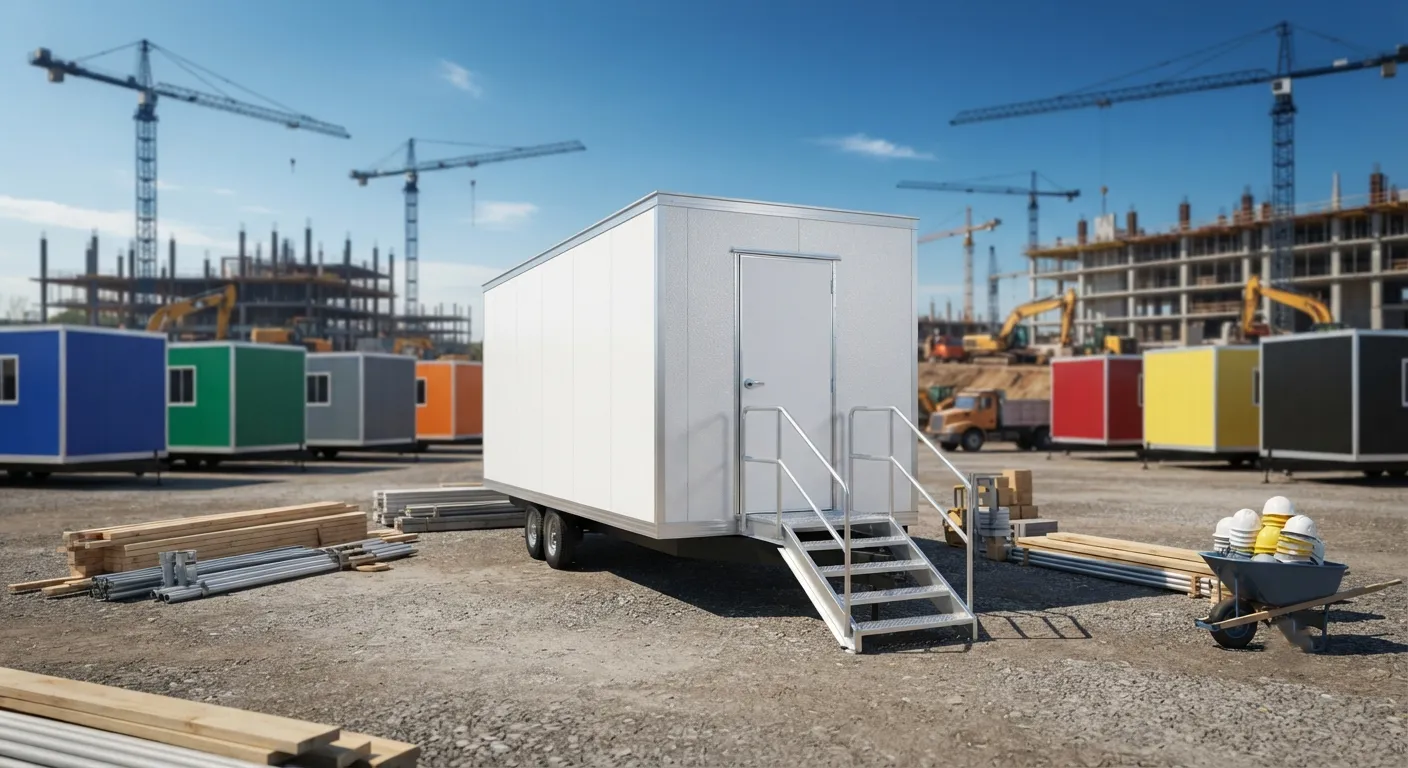
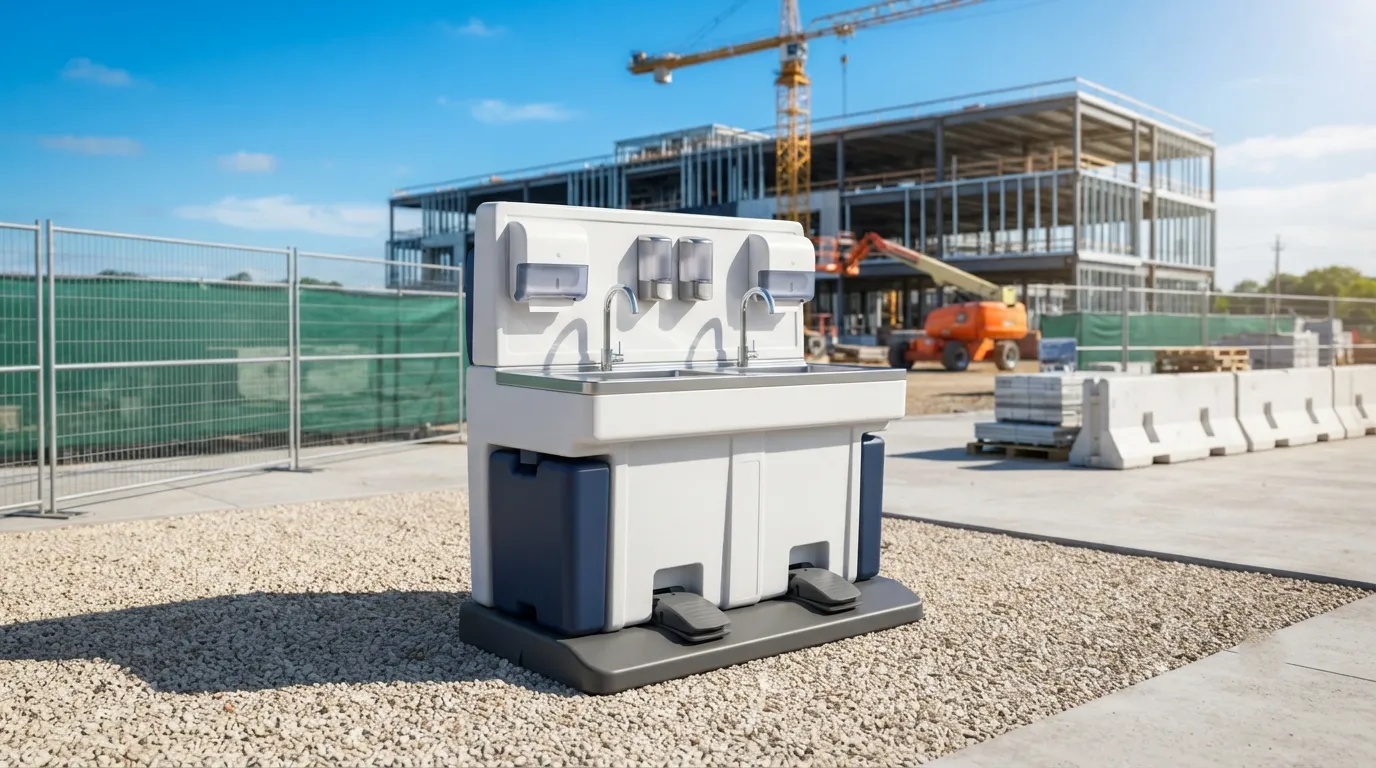
OSHA 1926.51(c) sets the actual restroom count for construction crews: 1 toilet for 20 workers or fewer, then 1 toilet and 1 urinal per 40 workers up to 200, and 1 per 50 after that. This isn't a Springfield-specific rule, it's federal, and it applies whether you're 6.6 miles into Chicopee, working a downtown Springfield lot, or running a roll-off dumpster rental Delaware job under the same OSHA table. OSHA 1926.51(a)(1) separately requires an adequate supply of potable water on site, which is why crews often pair units with a handwashing station rental or portable sink rental. If your crew is applying paint, coatings, herbicides, or insecticides, OSHA 1926.51(f)(1) kicks in and requires washing facilities for that specific exposure, not just general hand hygiene. For farm crews doing hand labor, OSHA 1928.110 sets a different bar: one facility per 20 workers, reachable within a quarter mile walk, which matters for farm and agricultural restrooms. None of these are city permits. They're federal minimums that determine how many units you order, which our how many porta potties do I need guide breaks down by crew size. Full detail lives on our OSHA portable toilet requirements page.
Does a dumpster need a permit too?
Often yes, more often than a porta potty does, because a dumpster is heavier, bigger, and more likely to end up at the curb. If it sits entirely on private property, in Springfield or in a driveway out toward Agawam Town 8.4 miles southwest, you typically skip the permit question. Put it on a public street and you're back to calling the city, the same way you would for right-of-way porta potty placement, or the way a jersey city dumpster permit works for an out-of-state crew comparing notes. This trips people up on 30 yard dumpster rental and 40 yard dumpster rental jobs especially, since those units are harder to tuck onto a lot. Check our dumpster permit requirements page before ordering, and see dumpster weight limits and what cannot go in a dumpster so the load itself doesn't cause a separate problem. If you're stacking services, like a dumpster next to a temporary fence rental or a storage container rental, the same street-versus-private-property line applies to each one individually.
How much does a porta potty rental cost in Springfield?
A standard unit typically runs $100 to $350 a day, $130 to $500 a week, or $125 to $325 a month, with delivery fees usually separate. Permits, where they apply, are billed by the city, not Springfield Porta Pros. Full pricing detail is on our porta potty rental cost page.
Do I need a permit for an ADA unit?
No separate permit exists just for accessibility. ADA Standards section 213.2 requires at least 5 percent of a clustered group of units to be accessible, never fewer than one. That's a placement and ordering rule, not a city filing. See our ADA restroom requirements page.
Can I place a porta potty on the street in Springfield?
Only after confirming with the city first. Street and sidewalk placement falls under right-of-way rules that vary by location, so call before delivery day. Springfield Porta Pros can help identify what information the city will ask for.
What's the difference between porta potty and dumpster permit rules?
Both hinge on the same question: private property or public right of way. Dumpsters trigger the question more often because of size and curb placement. Porta potties usually clear it easily on private lots.
Do event rentals need different permits than construction rentals?
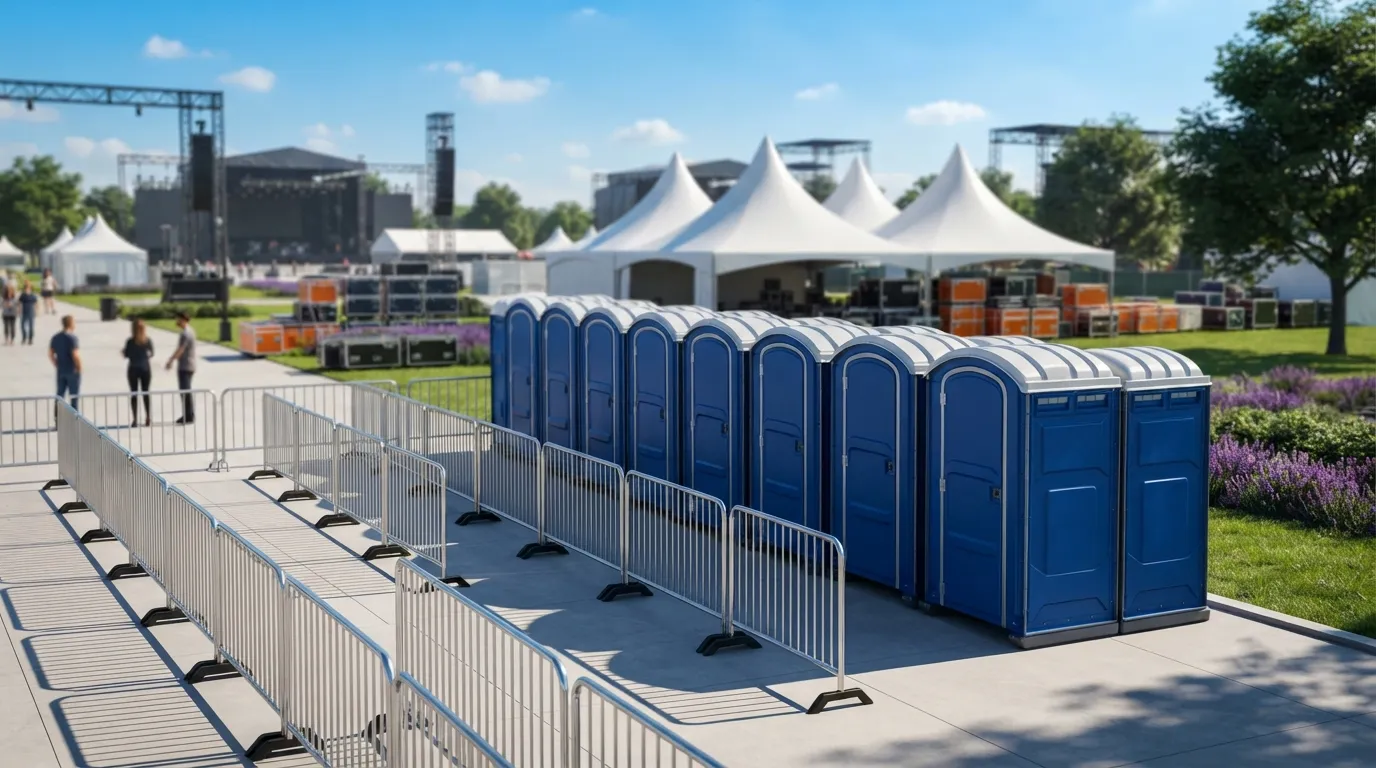
Not inherently, but events often add road closures, parks usage, or crowd size that trigger separate city review. A festival restroom rental on public parkland faces more scrutiny than the same units on a private field.
Next step
Get a delivery date
Tell us the address, the dates and the headcount. We size the order and confirm the route.