
What does OSHA require for farm sanitation?
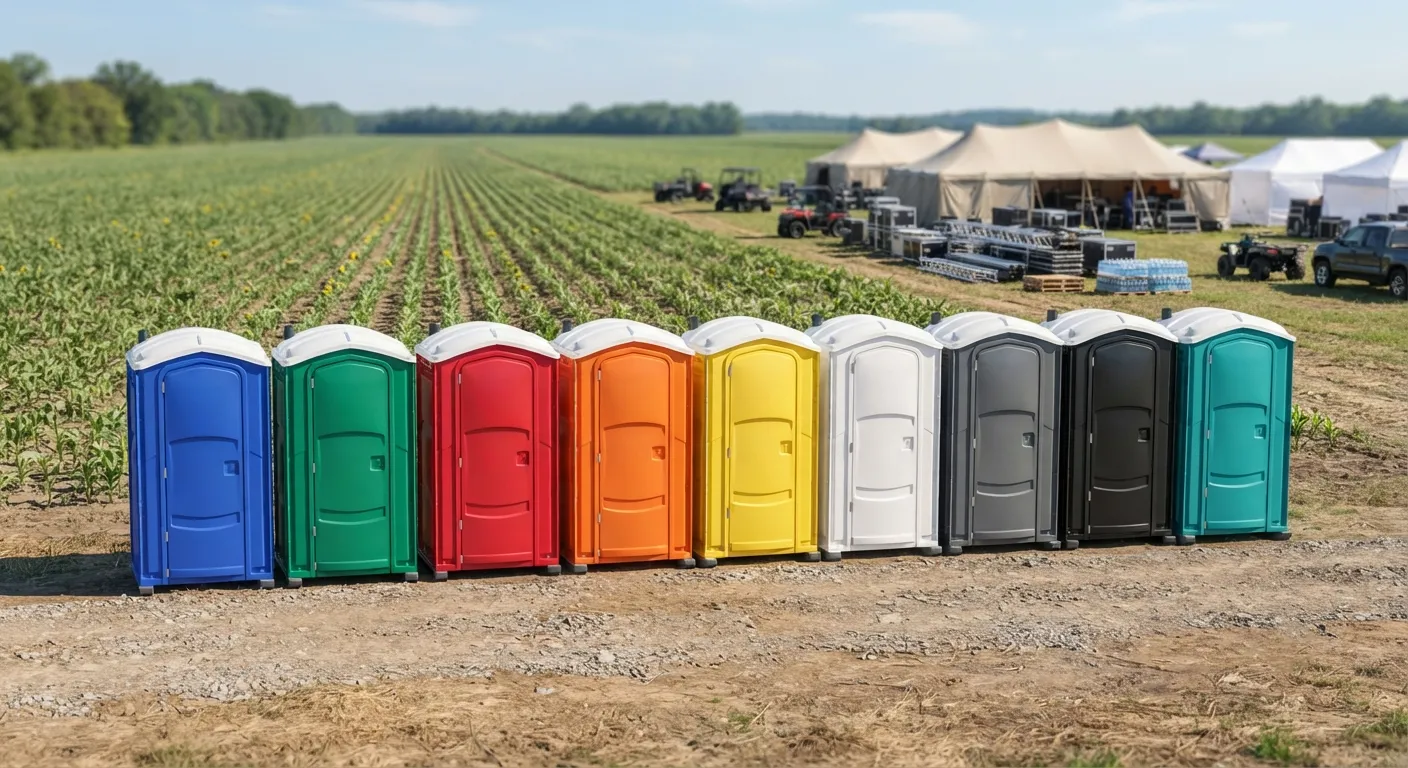
The rule is 1928.110, and it's specific: potable water, toilets and handwashing must sit within a quarter mile walk of hand-labor employees, at a ratio of one facility per 20 workers. That's different from a construction site, which falls under OSHA 1926.51(c) instead. Farms in Springfield running seasonal crews, especially tobacco and produce operations that hire outside labor for a few weeks at a stretch, need to plan placement before the crew shows up, not after an inspector asks. A standard porta potty rental covers most row-crop and orchard jobs. Each unit holds 60 to 70 gallons and stands about 92 inches tall, so it fits on a flatbed or a farm trailer without much fuss. We also send handwashing station rental units alongside the toilets, because 1928.110 asks for both together, not one or the other. If your crew is spraying pesticides or herbicides, that triggers a separate washing requirement under OSHA 1926.51(f)(1), which covers operations involving herbicides, insecticides, paints or coatings specifically. Soap and a hand-drying option matter here too. Hand sanitizer alone doesn't satisfy 29 CFR 1910.141(d)(2), so if your operation leans on it for compliance, it's worth pairing a portable sink rental with your hand sanitizer station rental instead of choosing one over the other.
How many units does a farm crew need?
Count your peak headcount, divide by 20, and that's your baseline toilet number under 1928.110. A 35-person picking crew needs two units minimum, plus handwashing stations sited within that same quarter-mile radius of wherever people are actually working that week. Fields spread out, and a lot of farms around Springfield run multiple parcels at once, so we typically place units in clusters near the equipment yard and again near the far field, rather than one bank of toilets by the barn. Our porta potty placement guide walks through ground conditions and access, which matters more on a farm than a job site since we're often driving down a dirt track instead of a paved lot. If you're not sure where to start, how many porta potties do i need breaks the math down by crew size. Seasonal work calls for monthly porta potty rental pricing rather than day rates, since most harvest and planting seasons run four to eight weeks. We service weekly at minimum, consistent with the ANSI/PSAI Z4.3 baseline interval for units seeing regular use, and we'll tighten that schedule during peak harvest if your crew count climbs. Farms near Chicopee, about 6.6 miles north of Springfield, and Agawam Town, 8.4 miles southwest, run on similar seasonal patterns, so we already know the routing.
Why rent instead of building a permanent restroom?
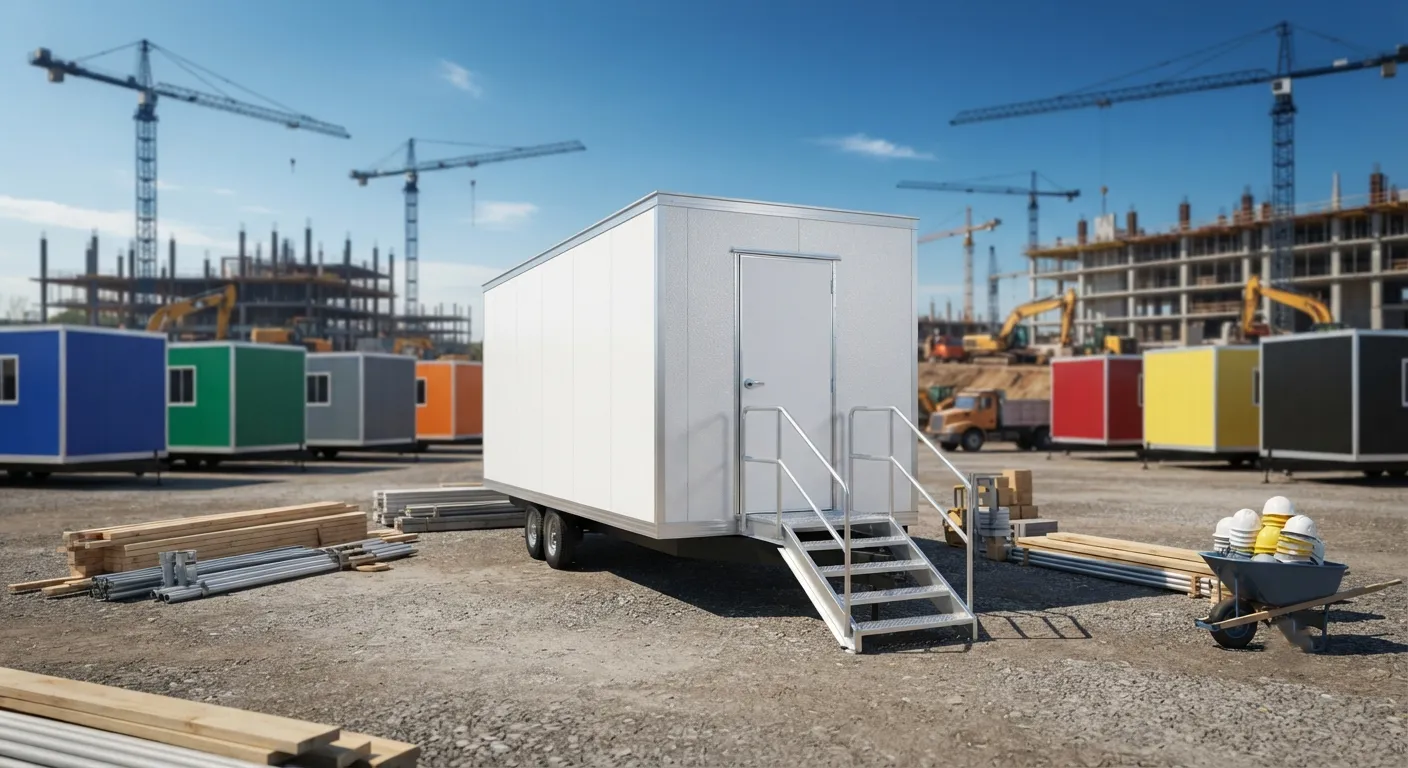
A permanent bathroom needs plumbing, a septic connection or tie-in, and a building permit, none of which make sense for a crew that's gone by October. Renting sidesteps all of it. Springfield Porta Pros delivers, services and pulls the units on the schedule you set, and there's no fixed structure sitting empty all winter. If your farm already runs a septic system for the farmhouse or a packing shed, that tank still needs attention on its own schedule. A residential septic tank is typically pumped every 3 to 5 years depending on tank size and household or facility load, and our septic pumping service handles that separately from the field toilets. Farms running a wash station or packing operation with a grease interceptor should know it needs pumping once fats, oils, grease and solids hit 25 percent of the liquid depth, a threshold we check during grease trap pumping visits. If your operation floods seasonally or you need backup sanitation fast, our emergency septic service and emergency porta potty rental both run same-area dispatch. For crews needing something closer to a real bathroom, a restroom trailer rental gives you flushing fixtures and a sink in one unit, useful for longer contracts or when you're housing seasonal labor on-site.
| unit | duration | typical price |
|---|---|---|
| standard | day | $150 |
| standard | week | $200 |
| standard | month | $200 |
How much does a farm restroom rental cost?
A standard unit runs about $150 a day or $200 for a full month, which is the more common choice for seasonal crews. Delivery adds a separate fee. For exact numbers tied to your acreage and crew size, our porta potty rental cost page breaks down what changes the price.
Do you deliver to farms outside Springfield?
Yes. We already serve growers near Ludlow, 8.3 miles northeast, and Holyoke, 10.8 miles northwest, along with operations closer to the city. Check service areas for the full list, or just call and we'll confirm your address.
What size unit works for a small crew?
For crews under 20, one porta john rental unit typically satisfies 1928.110's ratio requirement. Add a second once headcount climbs past that mark, and keep handwashing paired with it regardless of crew size.
Can I rent for just the harvest season?
Yes, and it's the most common setup we run. Most harvest contracts land between four and eight weeks, billed at the monthly rate rather than daily, which works out cheaper for that stretch.
Do farm restrooms need to be ADA accessible?
It depends on who's using them and the nature of the operation. Where units are clustered, ADA Standards 213.2 calls for at least 5 percent to be accessible, never fewer than one. Ask about our ada accessible porta potty option if that applies to your crew.
Next step
Get a delivery date
Tell us the address, the dates and the headcount. We size the order and confirm the route.